Comparing Interest Rates in the US

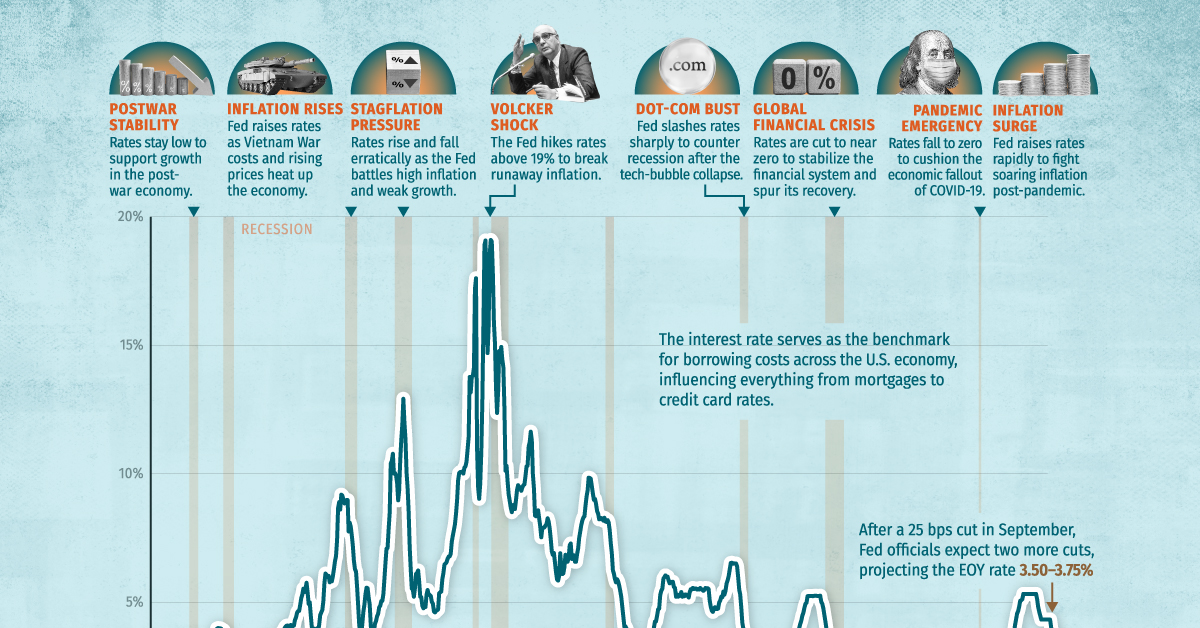
Securing a loan often involves navigating the complex landscape of interest rates. Understanding how to effectively compare these rates is crucial for making informed financial decisions. In the United States, various factors influence interest rates, and borrowers have several avenues to explore when seeking the best terms. This guide aims to provide a clear understanding of how to compare interest rates when looking for loans within the US, ensuring you can identify the most cost-effective option for your needs.
Understanding Annual Percentage Rate (APR)
The Annual Percentage Rate (APR) is a more comprehensive measure than the simple interest rate. It represents the yearly cost of borrowing money, including not only the interest rate but also any associated fees, such as origination fees, service charges, and discount points. When comparing loan offers, APR provides a standardized way to see the true cost of borrowing across different lenders. A lower APR generally indicates a more affordable loan. It is essential to ask lenders for their APR to ensure a fair comparison, as advertised interest rates often do not reflect the total cost.
Key Factors Influencing Interest Rates
Several elements contribute to the interest rate a lender offers. Your credit score is paramount; a higher score typically qualifies you for lower rates due to lower perceived risk. Your credit history, including payment history, amounts owed, and length of credit history, is used to calculate this score. Income and debt-to-income ratio also play a significant role. Lenders assess your ability to repay the loan based on your current income and existing debts. For secured loans, like mortgages or auto loans, the value of the collateral can also affect the rate offered, as it provides security for the lender.
Shopping Around: Lenders and Loan Types
To find the most competitive interest rates, it’s advisable to shop around among various types of lenders. This includes traditional banks, credit unions, and online lenders. Each may offer different rate structures and terms based on their business models and overhead costs. Comparing offers from multiple institutions is vital. Don’t settle for the first quote you receive. Many lenders offer pre-qualification, which allows you to get an estimate of the rates you might be eligible for without impacting your credit score significantly. This preliminary step can save you time and effort in identifying potential options.
Fixed vs. Variable Interest Rates
When comparing loans, you’ll encounter two primary types of interest rate structures: fixed and variable. A fixed-rate loan has an interest rate that remains the same for the entire life of the loan. This provides predictability in your monthly payments, making budgeting easier. A variable-rate loan, on the other hand, has an interest rate that can fluctuate over time, typically tied to a benchmark index. While variable rates may start lower than fixed rates, they carry the risk of increasing, leading to higher monthly payments and a greater overall cost. The choice between fixed and variable rates depends on your risk tolerance and how long you anticipate holding the loan.
When comparing loan offers, look beyond the advertised interest rate. The Annual Percentage Rate (APR) provides a more comprehensive view of the true cost of borrowing, encompassing both interest and fees. A lower APR is generally a better indicator of a more affordable loan.
Comparing Loan Offers Effectively
To compare loan offers effectively, create a spreadsheet or a simple list to track key information from each lender. This should include the loan amount, interest rate, APR, loan term (length of time to repay), monthly payment, and any upfront fees. Pay close attention to the APR, as it standardizes the comparison. Also, consider any pre-payment penalties, which might be assessed if you decide to pay off the loan early. Understanding all the terms and conditions associated with each offer will help you make a well-informed decision that aligns with your financial goals and capacity.
Frequently Asked Questions
What is the difference between an interest rate and an APR?
The interest rate is the cost of borrowing money expressed as a percentage, while the APR includes the interest rate plus all associated fees and charges over the life of the loan, offering a more complete picture of the borrowing cost.
How does my credit score affect interest rates in the US?
A higher credit score generally means you are considered a lower risk by lenders, which often results in access to lower interest rates and more favorable loan terms compared to individuals with lower credit scores.
Should I consider online lenders when comparing rates?
Yes, online lenders can be a valuable part of your comparison process. They often have lower overheads and may offer competitive rates, but it’s important to research their reputation and the full terms of their loans.
What are the risks of a variable interest rate?
The primary risk of a variable interest rate is that it can increase over time, leading to higher monthly payments, increased total interest paid, and potential difficulty in managing your budget if the rate hikes significantly.
In conclusion, comparing interest rates in the United States requires a thorough understanding of APR, the factors influencing rates, and the different types of lenders and loan structures available. By diligently shopping around, analyzing all associated costs, and considering your personal financial situation, you can secure a loan with terms that best suit your needs and financial objectives.
Conditions may vary; check official terms and conditions.
Sources: [Consumer Financial Protection Bureau], [Federal Reserve]